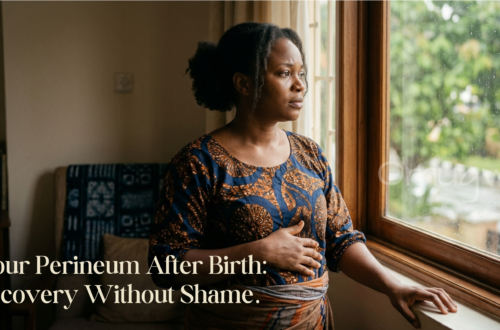
Becoming a new mother in Nigeria comes with unique challenges. While extended family support and traditional wisdom help many women through early motherhood, serious medical complications can develop quickly after childbirth. Knowing which warning signs require immediate medical attention can save your life.

Why New Mothers in Nigeria Face Special Risks
Nigeria has one of the highest maternal mortality rates globally. Many women face barriers accessing quality healthcare, especially in rural areas. Traditional practices, while culturally important, sometimes delay necessary medical treatment. Understanding when to seek professional help immediately protects both mother and baby.
10 Critical Warning Signs That Demand Emergency Care
1. Heavy Bleeding That Soaks Multiple Pads
Normal postpartum bleeding gradually decreases over several weeks. However, bleeding that soaks through a pad every hour for two consecutive hours signals danger. This could indicate retained placenta, uterine rupture, or other serious complications requiring immediate surgery.
What to do: Go to the nearest hospital immediately. Do not wait or try home remedies.
2. Severe Headaches With Vision Changes
Intense headaches accompanied by blurred vision, seeing spots, or temporary blindness may indicate preeclampsia or eclampsia. These conditions can occur even after delivery and cause seizures, stroke, or death if untreated.
What to do: Seek emergency medical care within the hour. These symptoms worsen rapidly.
3. Chest Pain or Difficulty Breathing
Sharp chest pain, especially when breathing deeply, or sudden shortness of breath could signal blood clots in the lungs. This life threatening condition is more common after cesarean deliveries but can occur after any birth.
What to do: Call for emergency transport immediately. Do not drive yourself.
4. High Fever Above 38°C (100.4°F)
Fever higher than 38°C, especially with chills, body aches, or foul smelling discharge, often indicates infection. Postpartum infections spread quickly and can become sepsis, a potentially fatal condition.
What to do: Visit a healthcare facility within 24 hours. Start documenting your temperature regularly.
5. Severe Abdominal Pain That Worsens
Mild cramping is normal as your uterus returns to normal size. However, severe pain that increases in intensity, especially on one side, may indicate internal bleeding, infection, or other serious complications.
What to do: Get medical evaluation immediately if pain prevents normal activities.
6. Leg Swelling With Pain and Redness
Swelling in one leg, particularly when accompanied by pain, warmth, or red streaking, suggests blood clots. These clots can travel to the lungs and cause fatal complications.
What to do: Avoid massaging the area and seek immediate medical attention.
7. Thoughts of Harming Yourself or Your Baby
Feeling overwhelmed is normal for new mothers. However, thoughts of suicide or harming your baby indicate severe postpartum depression or psychosis. These conditions require immediate professional intervention.
What to do: Contact a healthcare provider, trusted family member, or mental health helpline immediately.
8. Inability to Urinate or Extreme Burning
Complete inability to pass urine or severe burning sensation may indicate urinary tract infection, bladder injury, or other complications from delivery. Left untreated, these can cause kidney damage.
What to do: Seek medical care within 12 hours if symptoms persist.
9. Persistent Nausea and Vomiting
While some nausea is common after delivery, persistent vomiting that prevents keeping food or fluids down for more than 24 hours requires medical attention. This can lead to dangerous dehydration.
What to do: Contact your healthcare provider if you cannot keep fluids down for a full day.
10. Sudden Weakness or Fainting
Extreme weakness, dizziness, or fainting episodes may indicate severe blood loss, infection, or other serious complications. These symptoms should never be ignored or attributed to normal tiredness.
What to do: Have someone stay with you and seek medical evaluation immediately.
Creating Your Emergency Action Plan
Keep Important Numbers Accessible
Write down contact information for your doctor, midwife, nearest hospital, and emergency services. Keep these numbers in multiple locations including your phone, wallet, and prominently displayed at home.
Identify Your Nearest Healthcare Facilities
Research the closest hospitals that provide 24 hour emergency obstetric care. Know the route and estimated travel time, especially during peak traffic hours.
Prepare Your Support Network
Inform family members and friends about these warning signs. Ensure at least two people can provide immediate transportation to medical facilities if needed.
Pack an Emergency Hospital Bag
Keep a bag ready with essential documents (ID, insurance cards, delivery records), comfortable clothing, personal items, and any medications you currently take.
Understanding Cultural Barriers to Emergency Care
Many Nigerian families prefer traditional remedies or spiritual intervention before seeking medical care. While cultural practices hold important meaning, life threatening complications require immediate medical attention. Traditional treatments can complement medical care but should never replace emergency treatment.
Some families worry about hospital costs or mistrust medical facilities. However, most hospitals in Nigeria are required to provide emergency stabilizing care regardless of ability to pay. Your life is worth more than financial concerns.
When Traditional Remedies Are Not Enough
Traditional postpartum practices like hot water therapy, herbal teas, and special diets support recovery for many women. These practices remain valuable parts of Nigerian culture. However, they cannot treat serious medical complications like blood clots, infections, or internal bleeding.
Use traditional wisdom alongside, not instead of, modern medical care when warning signs appear.
Taking Action: What Healthcare Providers Need to Know
When seeking emergency care, provide healthcare workers with complete information about your symptoms, when they started, and any treatments you have tried. Be honest about traditional remedies used, as some herbs can interact with medications.
Bring all medication bottles and your delivery records if available. This information helps medical teams provide appropriate treatment quickly.
Recovery and Follow Up Care
After receiving emergency treatment, follow all medical instructions carefully. Attend scheduled follow up appointments even if you feel better. Many complications can recur or develop into chronic conditions without proper monitoring.
Continue working with healthcare providers to create a comprehensive recovery plan that respects your cultural preferences while prioritizing your health and safety.
Protecting Future Pregnancies
Experience with postpartum complications increases risks during future pregnancies. Discuss your medical history with healthcare providers before planning additional children. Proper prenatal care and birth planning can help prevent or manage complications in subsequent pregnancies.
Building Awareness in Your Community
Share this information with other women in your family and community. Maternal mortality rates decrease when women recognize warning signs early and seek appropriate care quickly.
Consider joining or supporting local maternal health education programs. Your experience and knowledge can help save other mothers’ lives.
New motherhood brings joy, but it also carries real medical risks that demand respect and preparation. Knowing these warning signs, having an emergency plan, and trusting your instincts about your health can mean the difference between life and death.
Your family needs you healthy and alive. When in doubt about any concerning symptoms, seek medical evaluation immediately. It is always better to be cautious than to wait too long for help.
Remember that asking for medical help shows strength, not weakness. Taking care of yourself is taking care of your family.