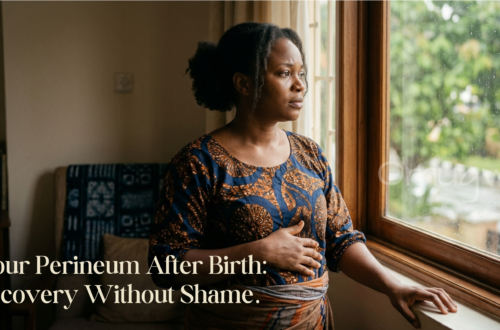
In Nigeria, new mothers often hear the same advice: “Just pray about it.” While faith is powerful, dismissing emotional struggles as mere spiritual battles can leave many women suffering in silence. Postpartum depression (PPD) is real, yet many Nigerian mothers face it alone—afraid to speak up because of stigma or misunderstanding.

This needs to change.
What Is Postpartum Depression?
Postpartum depression is more than “baby blues.” It’s a deep, lingering sadness, anxiety, or exhaustion that makes it hard for a new mother to function. Symptoms include:
-
Constant tiredness but inability to sleep
-
Feeling disconnected from the baby
-
Extreme mood swings
-
Thoughts of hopelessness or worthlessness
Unlike temporary stress, PPD doesn’t just go away with prayer alone. It needs attention, understanding, and sometimes professional help.
Hidden Truth About Postpartum Depression (PPD) in Nigeria
Postpartum depression affects millions of mothers worldwide, and Nigerian women are no exception. Recent studies show that between 10% to 44% of Nigerian mothers experience postpartum depression, with some regions reporting rates as high as 36.5%. That means if you’re in a room with 10 new mothers, at least 3 or 4 of them might be quietly struggling.
Yet despite these alarming numbers, most Nigerian mothers suffer in silence. Why? Because our culture often treats mental health issues as spiritual problems that can only be solved through prayer and faith.
Don’t get this wrong – faith and prayer can be powerful sources of comfort and healing. Many Nigerian mothers find strength in their religious beliefs during difficult times. But when prayer becomes the only acceptable response to postpartum depression, it can actually make things worse.
Why Nigerian Mothers Don’t Talk About PPD
-
“Strong Woman” Stereotype – Many believe mothers should endure pain silently. Asking for help is seen as weakness.
-
Spiritual Dismissal – Well-meaning loved ones may say, “It’s a spiritual attack, just fast and pray.” While faith helps, medical support is often necessary.
-
Lack of Awareness – Some women don’t even realize they have PPD. They think they’re just “failing” at motherhood.
-
Fear of Judgment – Admitting struggles might lead to gossip: “She can’t handle her own child?”
Here’s what happens when we only offer prayer as a solution:
Mothers feel more guilty. When prayer doesn’t immediately fix their depression, they start believing they don’t have enough faith or that God is punishing them for something.
The real problem gets ignored. Postpartum depression is a medical condition that affects brain chemistry. It’s not a spiritual failing that can be prayed away.
Mothers don’t get proper help. Without medical treatment or counseling, symptoms can get worse and last longer than necessary.
The whole family suffers. Untreated postpartum depression doesn’t just affect the mother – it impacts the baby, other children, and the father too.
What Postpartum Depression Really Looks Like
Many Nigerian mothers don’t recognize postpartum depression because they think it’s just normal tiredness from having a baby. But there’s a big difference between regular exhaustion and depression.
Signs of postpartum depression include:
- Feeling sad, empty, or hopeless most of the time
- Losing interest in activities you used to enjoy
- Having trouble bonding with your baby
- Feeling like you’re not a good mother
- Experiencing severe mood swings
- Having trouble sleeping even when the baby is sleeping
- Loss of appetite or eating too much
- Feeling anxious or having panic attacks
- Thoughts of hurting yourself or your baby
If you’re experiencing several of these symptoms for more than two weeks, it’s not something you should handle alone with just prayer.
What Needs to Change?
-
Open Conversations – Families should encourage mothers to speak without shame.
-
Medical Support – Doctors and nurses should screen for PPD, not just physical recovery.
-
Community Help – Churches, mosques, and support groups should offer real solutions, not just prayers.
-
Husbands & Family Involvement – Partners should watch for signs and offer practical help, not just expect “strength.”
How to Help a Mother with PPD
-
Listen Without Judging – Let her express her feelings.
-
Share the Load – Help with chores or baby care so she can rest.
-
Encourage Professional Help – Therapy or medication isn’t a failure.
-
Check on Her – Many mothers feel isolated. A simple “How are you, really?” helps.
Why Nigerian Mothers Are at Higher Risk
Several factors put Nigerian mothers at higher risk for postpartum depression:
Limited healthcare access: Many areas don’t have mental health professionals or proper maternal care.
Financial stress: The cost of raising children in Nigeria’s current economy can be overwhelming.
Lack of support: Extended family support systems are breaking down in many communities.
Cultural pressure: The expectation to be a “perfect mother” without showing weakness creates additional stress.
Previous trauma: Many women carry unresolved emotional issues from their own childhood or previous difficult experiences.
Getting Help: A Balanced Approach
The good news is that postpartum depression is treatable. The best approach often combines faith with practical medical care:
Medical Treatment
- Talk to a doctor or nurse about your symptoms
- Consider counseling or therapy
- In some cases, medication might be helpful
- Join support groups with other mothers
Spiritual Support
- Continue praying and drawing strength from your faith
- Talk to understanding religious leaders who recognize mental health
- Find scripture or religious teachings that promote self-compassion
- Remember that taking care of your mental health is part of being a good mother
Practical Support
- Ask family and friends for help with household tasks
- Get enough rest whenever possible
- Eat nutritious meals regularly
- Take short walks or do gentle exercise
- Connect with other mothers who understand what you’re going through